
A Brief History of Our Village
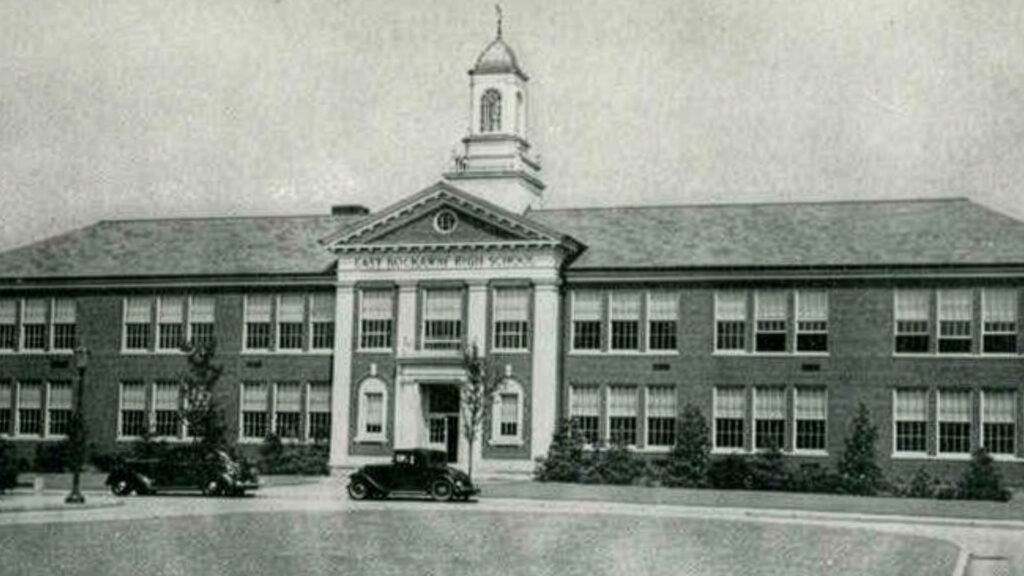
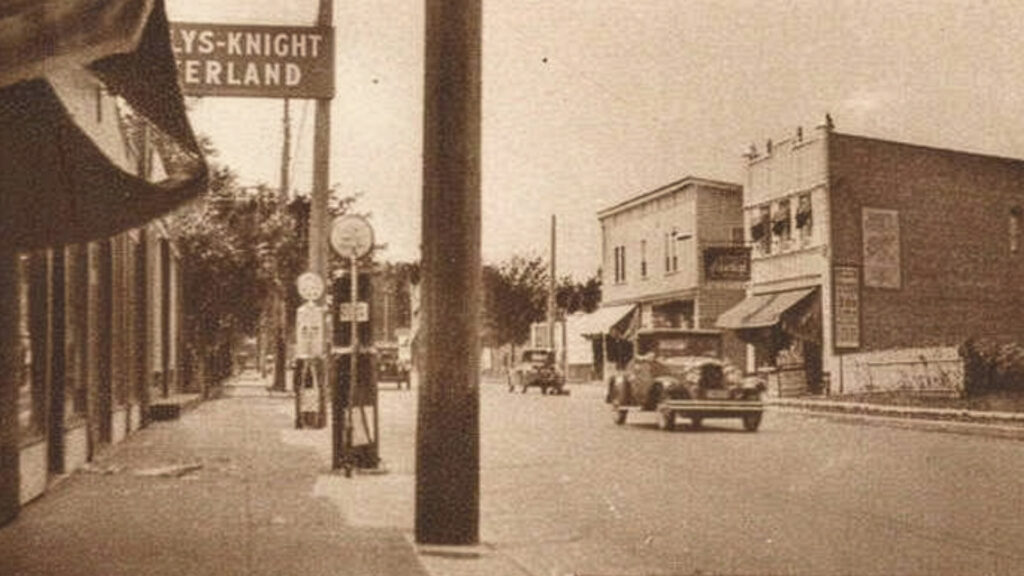

Photos courtesy of New York Heritage Digital Collection
Early Origins
The area that is now East Rockaway was once called “Near Rockaway” (or “Neare Rockaway”) as early as 1665. In December 1688, the town meeting of Town of Hempstead granted Joseph Haviland a land-grant to build a grist mill on Mill River within one year. The grist mill (later known as the Haviland‑Davison Grist Mill) was built around 1689 and became a focal point of the area’s social, economic and political life. Its location on Long Island’s south shore made it ideal for maritime activity: shipping of oysters, farm produce to New York City, and lumber/grain headed inland.
Growth through the 19th Century
With maritime access and a mill, Near Rockaway developed gradually, with early churches, schools, businesses forming in the area. The name was formally changed to “East Rockaway” in 1869. The coming of the railroad also helped growth: for example, the Long Island Rail Road station at East Rockaway opened in October 1880 (on the New York & Long Beach Railroad) and became part of the LIRR system in 1909.
Incorporation and 20th Century Changes
On its incorporation: East Rockaway was incorporated as a village in the year 1900. The first village president upon incorporation was Floyd Johnson, and at that time the population was about 969. Over the 20th century the village transitioned from a primarily industrial/maritime economy to more of a residential suburban community, especially with the growth of commuter rail and access to New York City.
Modern Era
According to the 2020 Census, the village’s population was 10,159. Its structure features multiple business districts (Main Street, Waterfront, Atlantic & Centre Avenues) and emphasizes its historic nautical heritage. Historic Preservation: The Haviland-Davison Grist Mill (built ca. 1689) is listed on the National Register of Historic Places (1998).